Our Story
Built from
the stands.
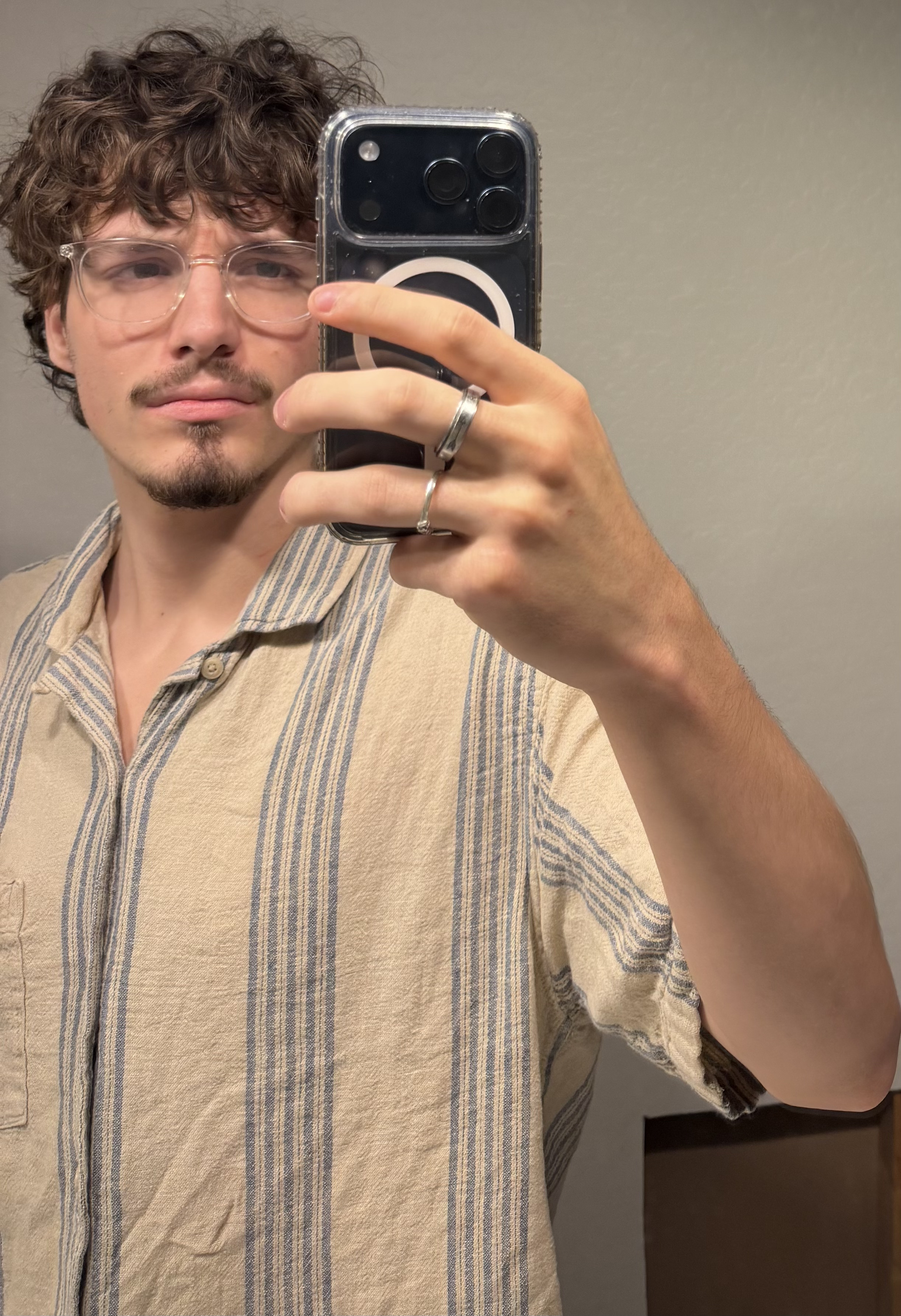
Hi, fans.
My name is Miles Wallace, and Peanut Gallery is the passion project of all passion projects.
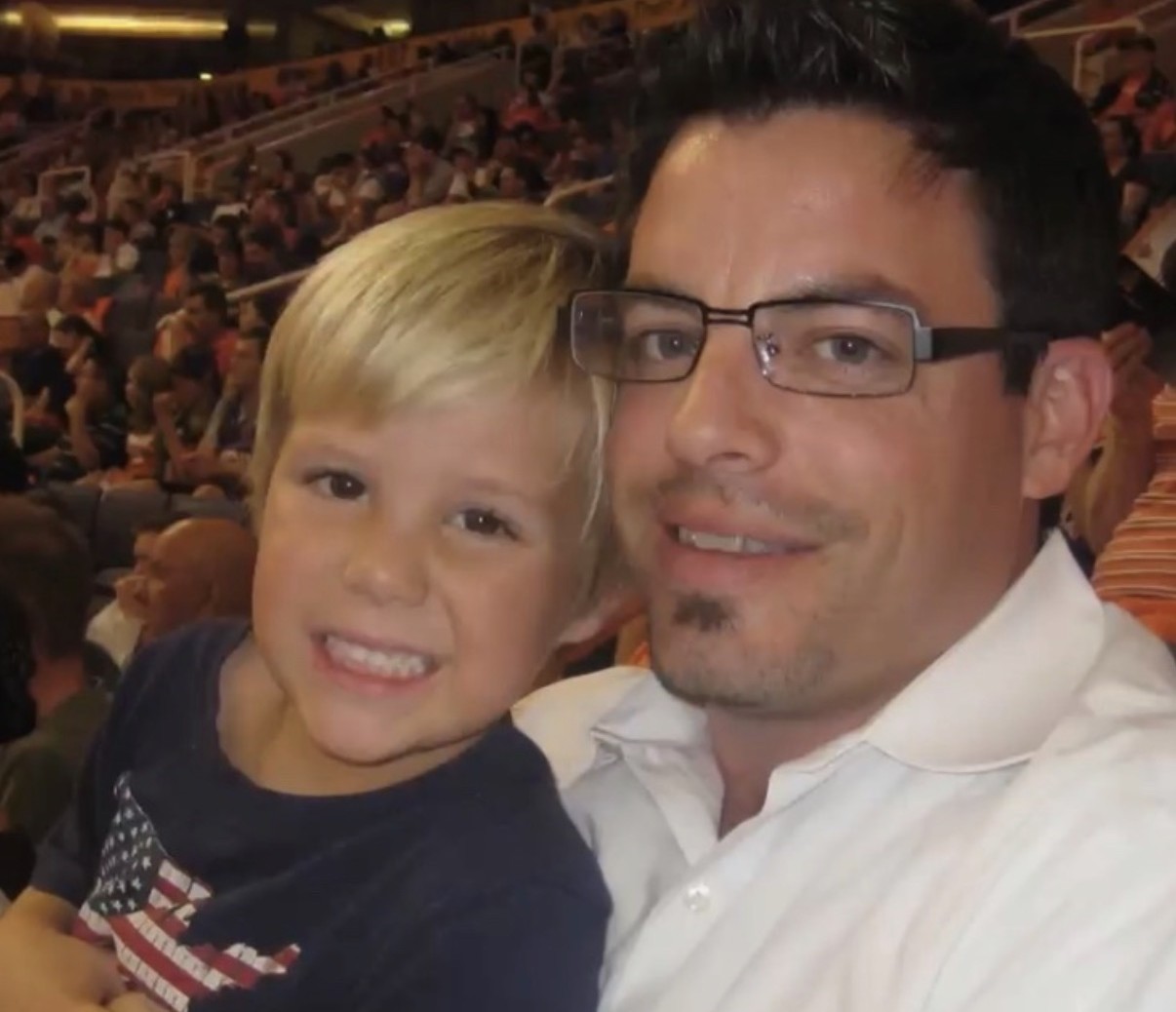
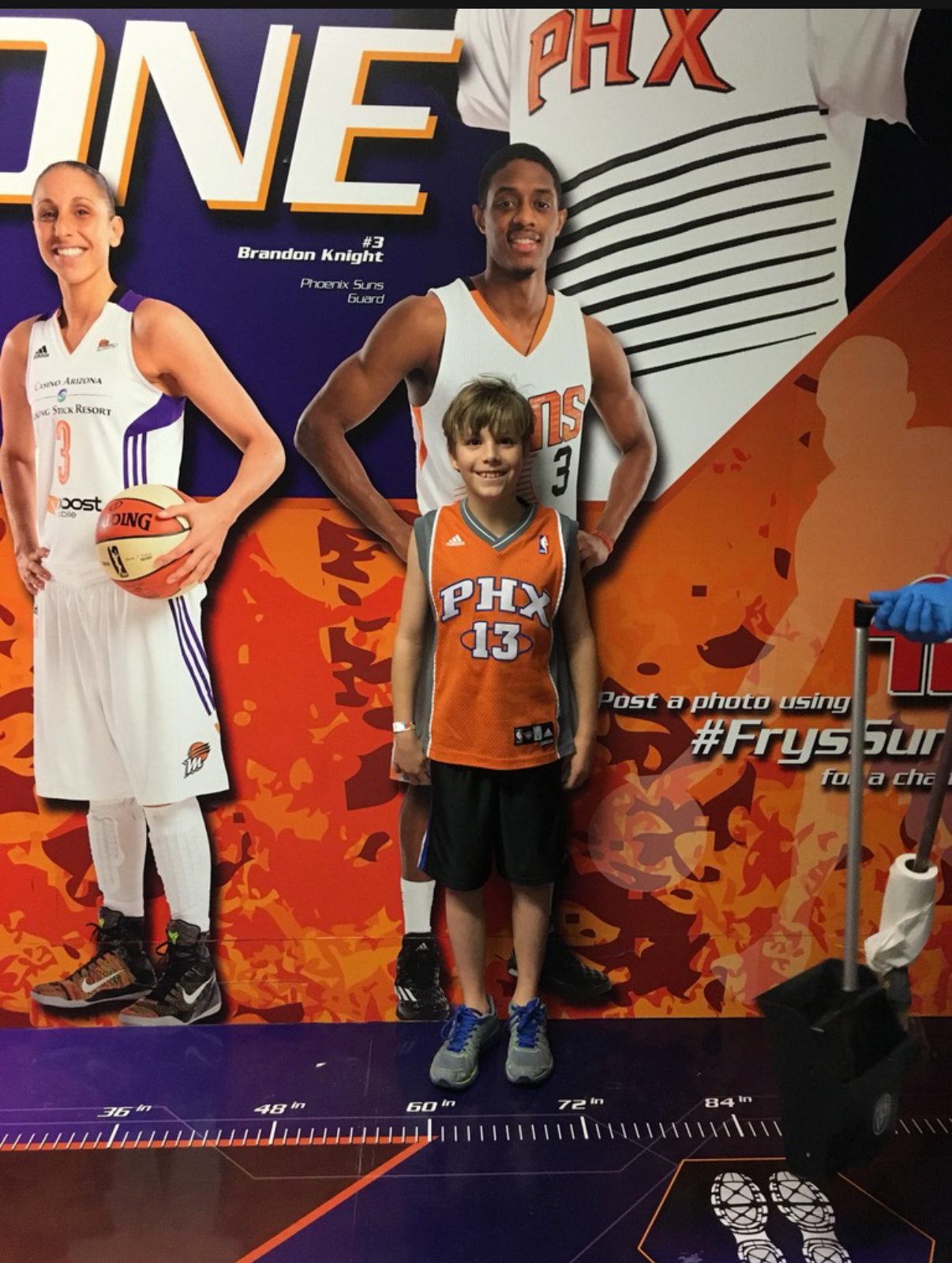
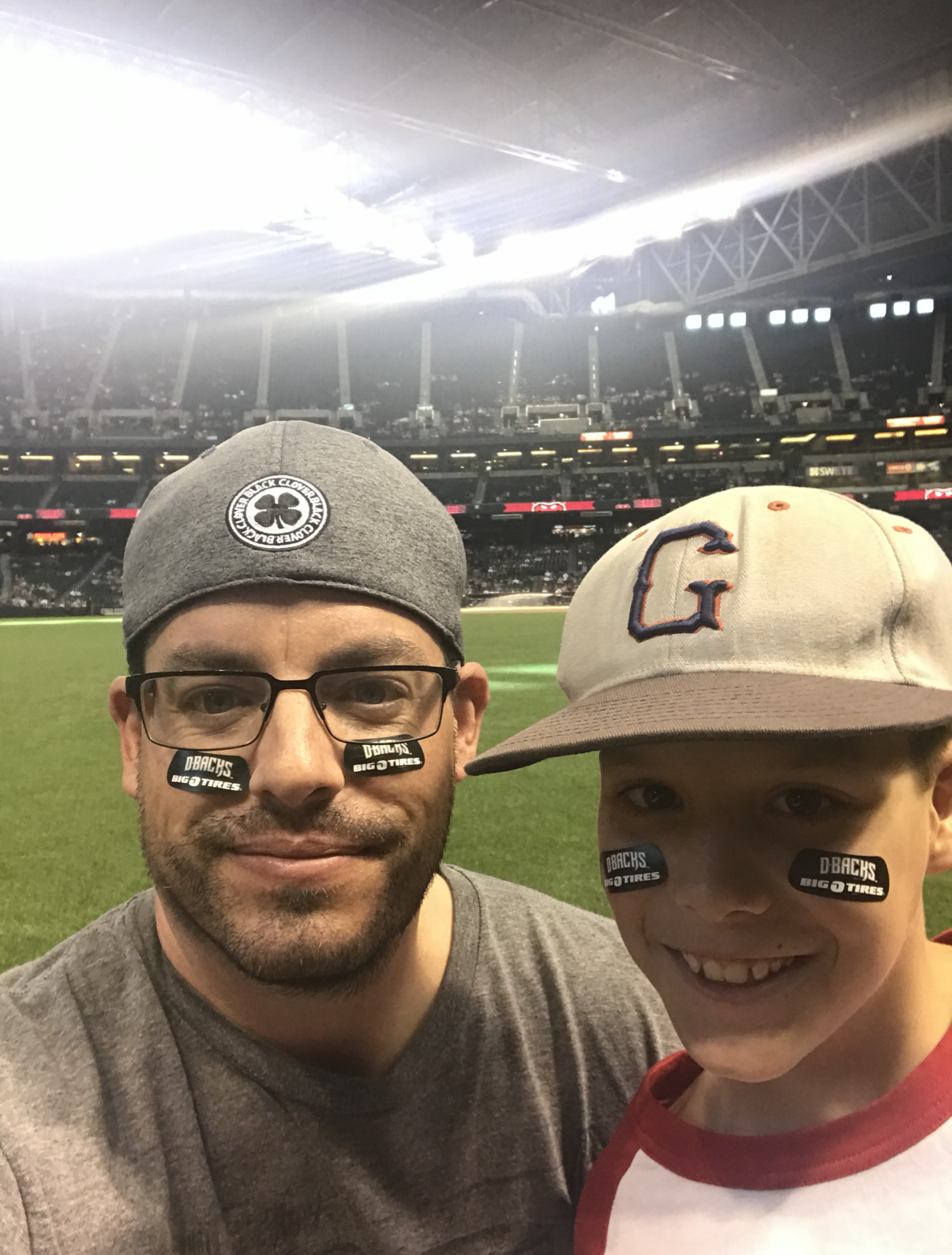
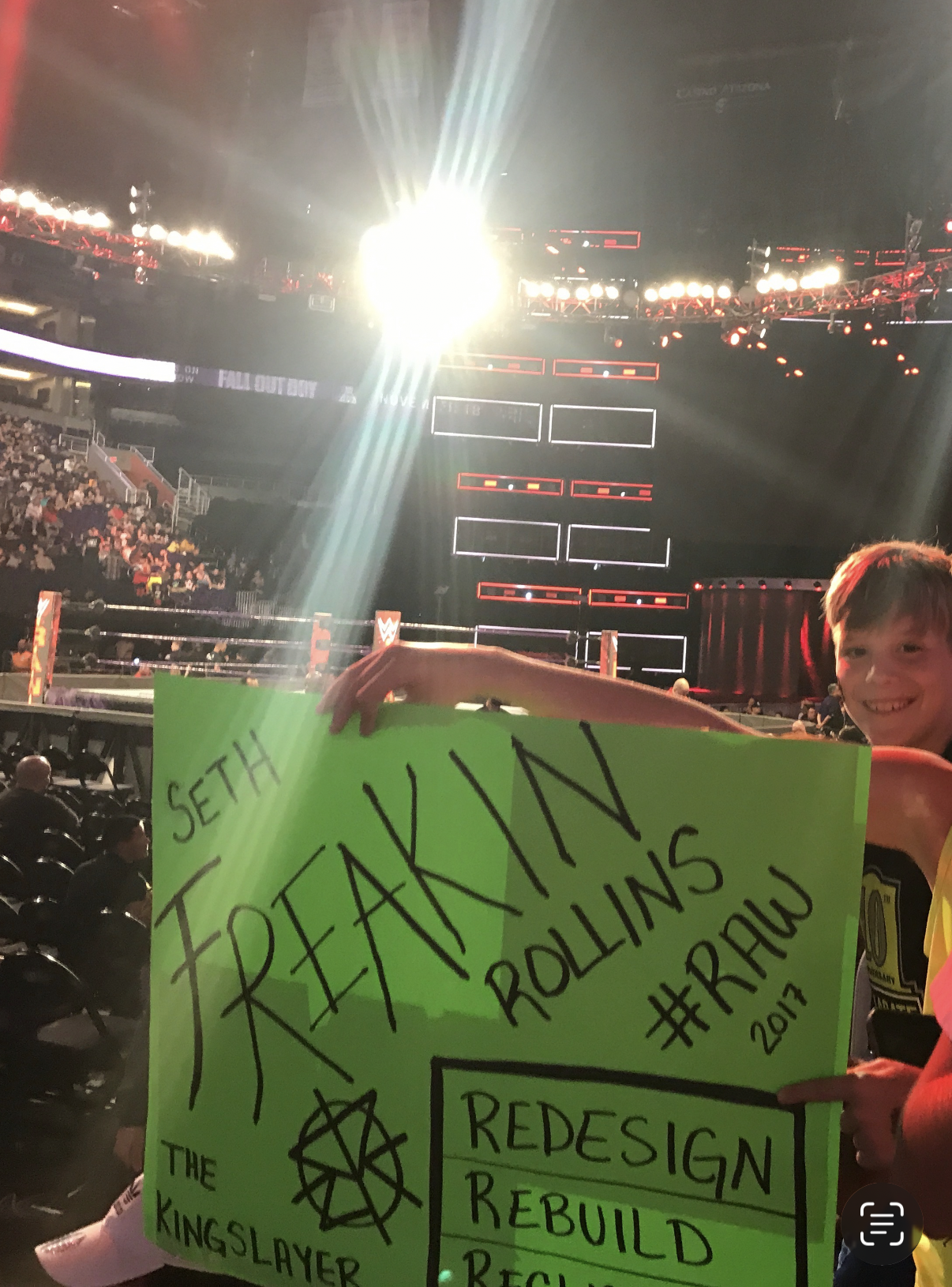
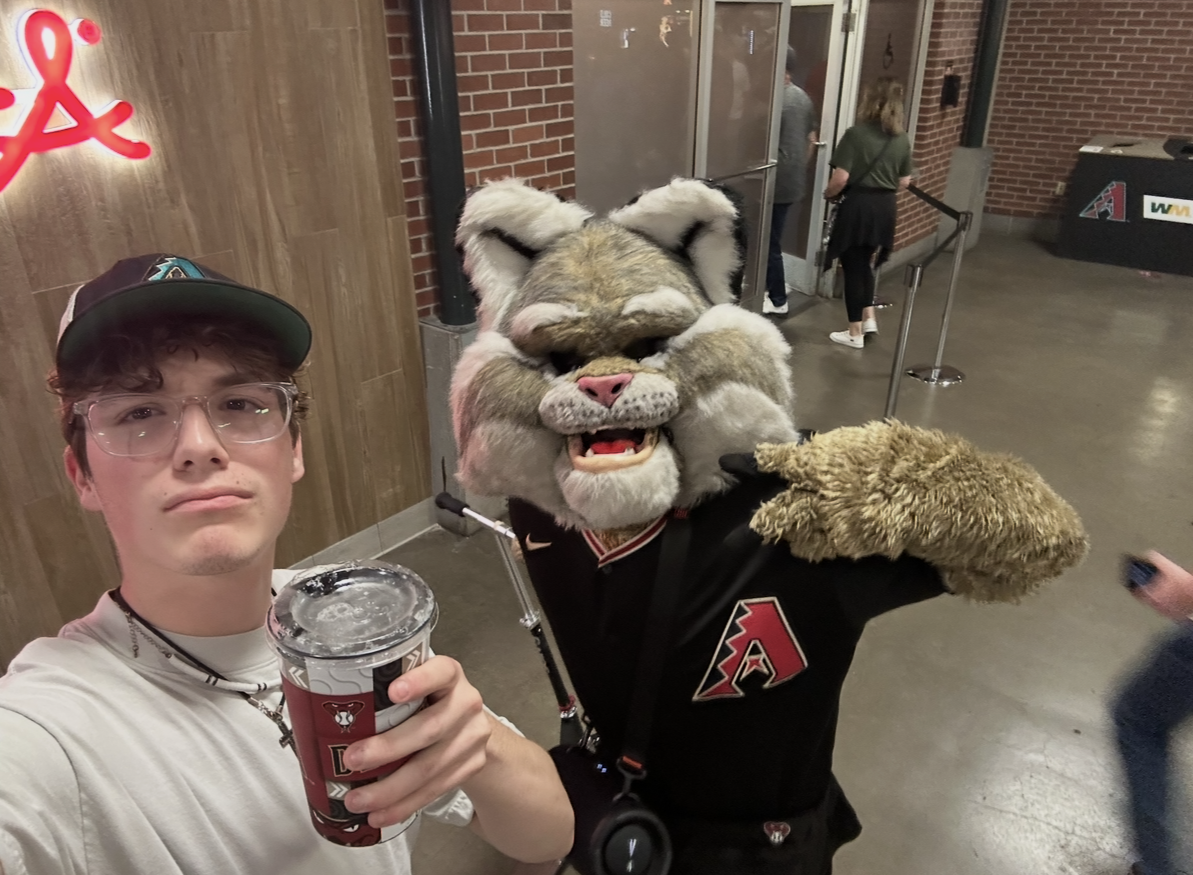
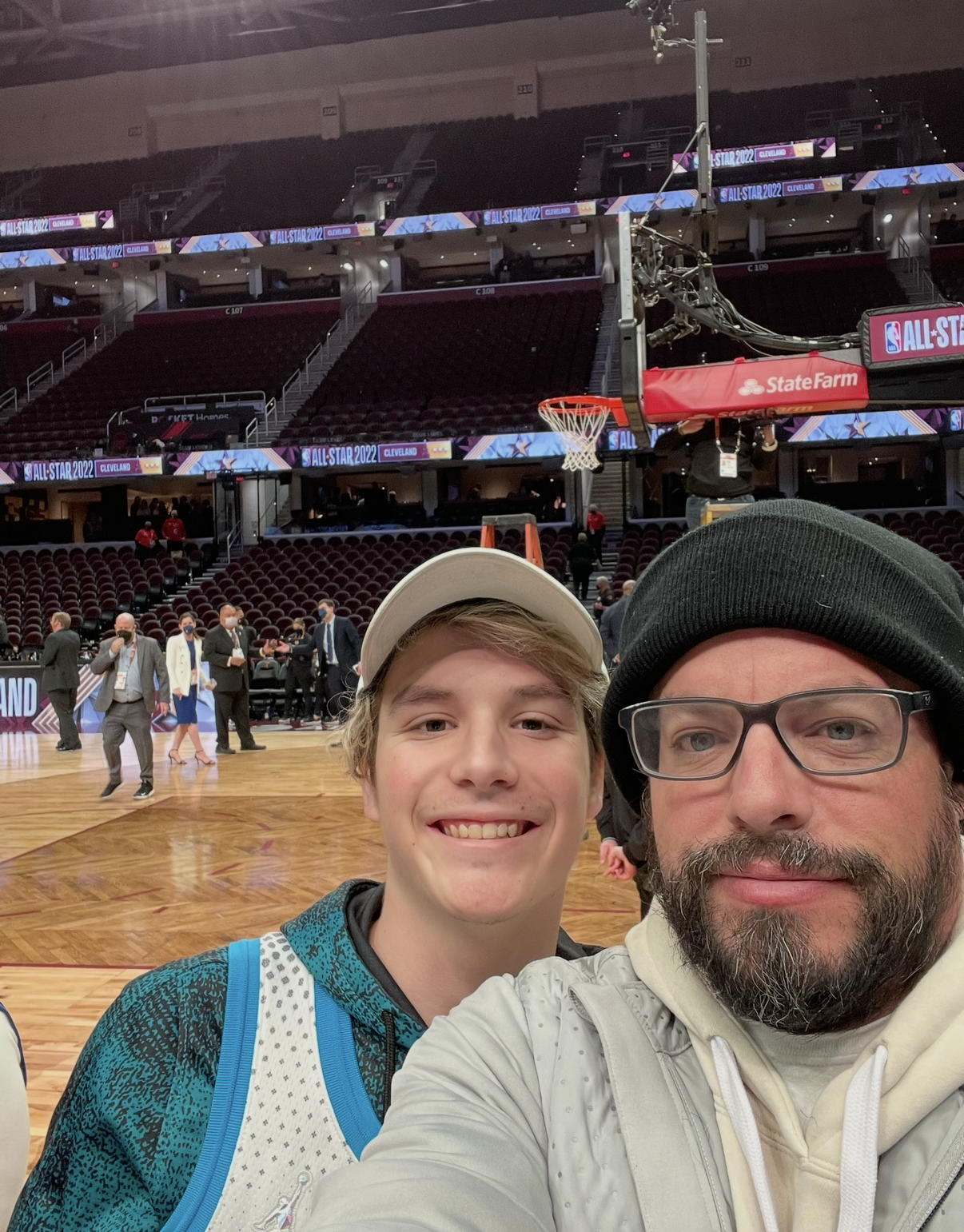
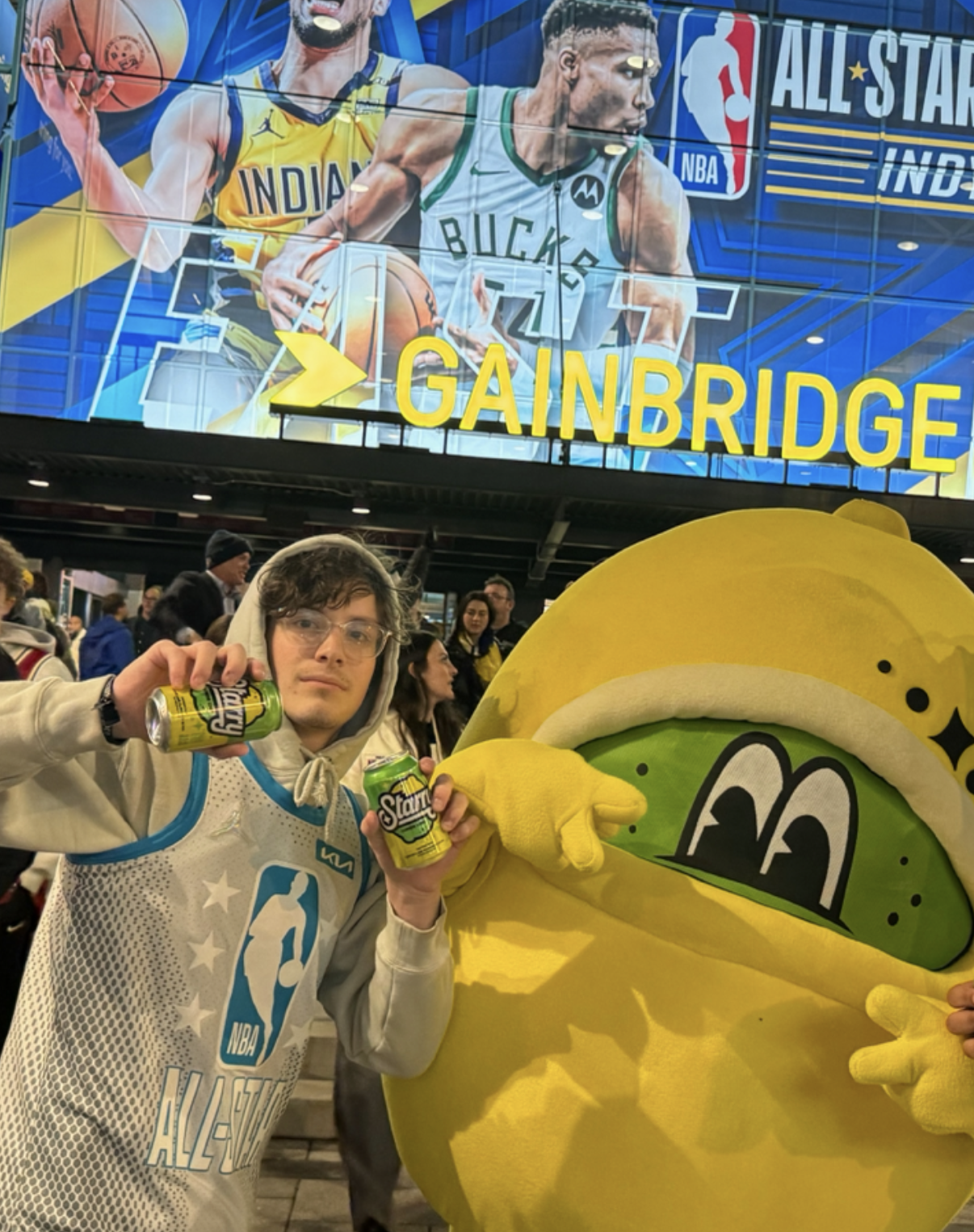
Ever since I was a little kid, I needed an event on the calendar—something to count down to and look forward to. As I grew up, I became obsessed with everything live: sports, concerts, festivals, professional wrestling—anything capable of creating a moment you could never experience the same way again.
The more events I attended, the more I realized how much being close to the action changes the memory you take home.
That realization came to a head at WrestleMania 42 in Las Vegas. I had paid an absurd amount of money for a seat in the nosebleeds. From up there, I could see entire stretches of incredible seats sitting empty—seats that might as well have cost my life savings.
I remember looking down and thinking:
Why am I paying this much to sit this far away while some of the best views in the building are going to waste?
I couldn’t let that question go.
What if fans already inside could move closer in real time? What if an empty premium seat could become someone’s favorite memory? What if a better experience didn’t require paying a ridiculous price months before the event?
And then came the biggest question: If this idea makes so much sense, why hasn’t one of the major ticketing apps already built it?
The answer became clear. Major ticketing platforms were built to sell access before an event. Once your ticket scans and you enter the building, their job is effectively over. Meanwhile, fans are still dealing with excessive fees, scalping, unused seats, loyalty programs based on spending, and platforms that treat the transaction as more important than the experience.
It could have been done. It just wasn’t valuable enough to the companies controlling ticketing.It was valuable to fans.
That is why I started Peanut Gallery.
Peanut Gallery is not another version of the same ticket marketplace. It is being built to solve the problems those marketplaces created, accepted, or left behind.
A real-time marketplace built specifically for fans who are already inside the event. Better seats no longer have to sit empty while other fans watch from farther away.
Location safeguards are designed to keep Live Upgrades inside the venue and out of the hands of outside scalpers trying to turn them into inventory.
Payment is not treated as complete until the upgrade process is confirmed, giving fans protection that informal seat-swapping could never provide.
Fans can win upgraded experiences for free. The best moment in the building should not always belong to whoever has the most money.
A live, event-specific home for fans to share photos, videos, reactions, and everything happening around the venue—not hours later on an unrelated social platform.
A rewards system based on being an active, trustworthy fan—not on how much money you can pump into the app.
Peanut Gallery was not built to bury fans beneath the same fees they already hate. Keeping the platform affordable is not a promotion. It is part of its foundation.
These are not minor additions to the traditional resale model. Together, they create something the major ticketing apps have never offered: a platform centered on improving the fan’s experience after the event has already begun.
Every part of Peanut Gallery is being built around the questions I have asked, the frustrations I have felt, and the features I have always wished existed as a fan. And because this platform will handle people’s tickets, payments, and once-in-a-lifetime moments, earning your trust has to be part of the product—not an afterthought.
The future of live events should not be decided only by the biggest ticketing companies or the fans with the biggest wallets.
It should be built around all of us.
From one fan to another, welcome to the Gallery.